
Sunroom Builder
Sunroom Builder
Live in Light, Year-Round
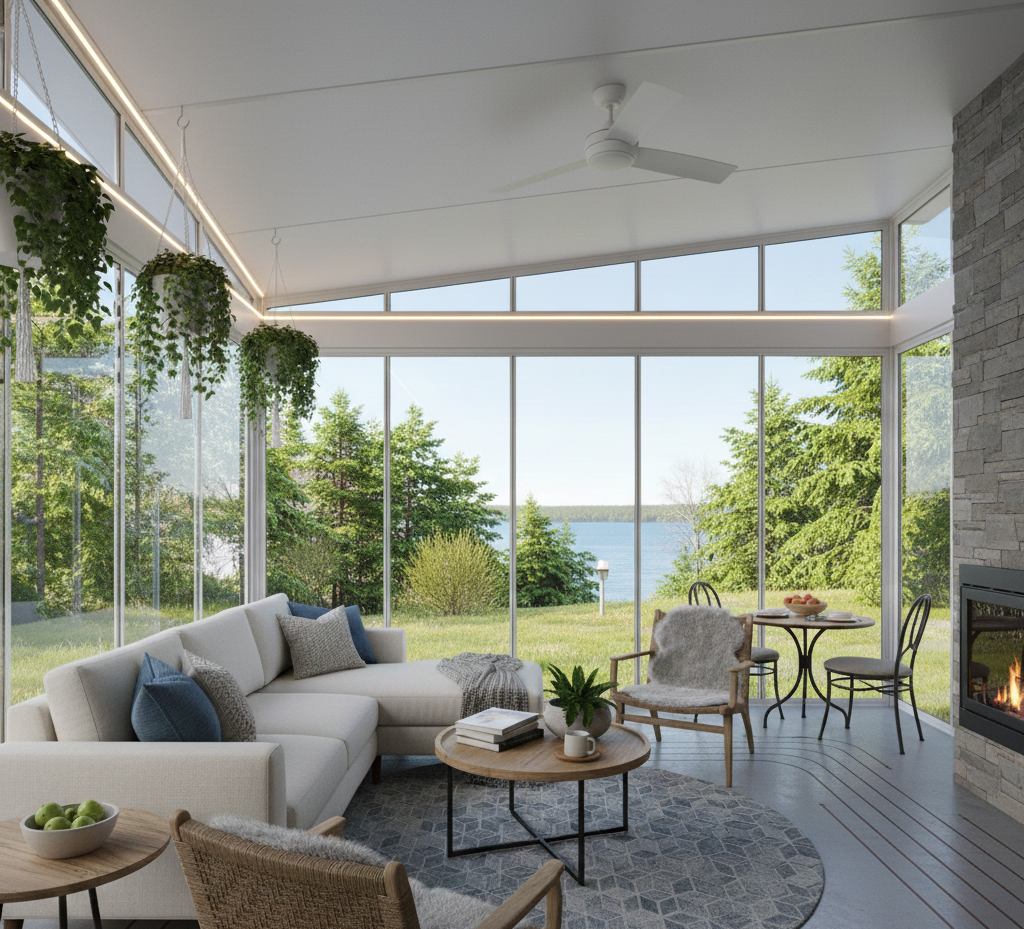
Imagine waking to morning sun flooding through walls of glass, warming your coffee and your mood simultaneously. Picture reading in natural light on a February afternoon when everyone else retreats to dark interior rooms. Envision hosting holiday gatherings in a space that feels both indoor and outdoor—protected, climate-controlled, and bathed in daylight even when it’s 40 degrees outside. This is what a sunroom delivers: the psychological lift of outdoor living combined with the comfort and protection of being indoors.
A sunroom doesn’t just add square footage—it adds daylight footage. The kind of space where you naturally gravitate because it feels alive, energized, connected to the seasons and the sky. Morning yoga in natural light. Afternoon workspace flooded with vitamin D. Evening conversations under stars visible through overhead glass. This is living immersed in natural light without sacrificing comfort, protection, or year-round usability.




Why Your Home Needs This
Expand Livable Space Without Traditional Addition Costs
Traditional home additions require foundation work, full HVAC integration, complex structural engineering, and months of disruptive construction—typically costing $200-400 per square foot. Sunrooms deliver comparable square footage at substantially lower cost by leveraging simpler construction methods and naturally abundant solar heating. You gain a genuine living space—dining room, home office, family lounge, plant conservatory—without the timeline and expense of conventional additions. The space functions as true interior square footage while feeling distinctly special due to abundant natural light. For families needing more room but unwilling to commit to full-scale renovations, sunrooms provide the most cost-effective path to meaningful expansion.
Capture Natural Light That Transforms Daily Living
Most homes suffer from chronic under-lighting. Interior rooms rely on artificial illumination that creates flat, lifeless ambiance and contributes to seasonal mood challenges. A sunroom floods your home with genuine daylight, creating space where you actually want to spend time. The psychological benefits are measurable: natural light exposure regulates circadian rhythms, improves mood, increases productivity, and enhances vitamin D production. During Texas winters when outdoor living becomes uncomfortable, your sunroom maintains that connection to natural light and outdoor views without the temperature penalties. You’re not retreating to dark interior spaces—you’re inhabiting a light-filled environment that keeps you connected to the natural world regardless of season.
Increase Property Value with High-Return Investment
According to Remodeling Magazine’s annual Cost vs. Value report, sunroom additions consistently return 50-70% of investment at resale, with premium installations in desirable markets often exceeding these averages. But the financial return tells only part of the story. Homes with sunrooms sell faster because they offer something buyers struggle to find elsewhere—genuine additional living space with distinctive character. Buyers don’t just see square footage; they see lifestyle enhancement, natural light, and architectural interest. Even if you never sell, knowing your home is building rather than losing value provides financial confidence that discretionary spending on vacations or furnishings cannot deliver.
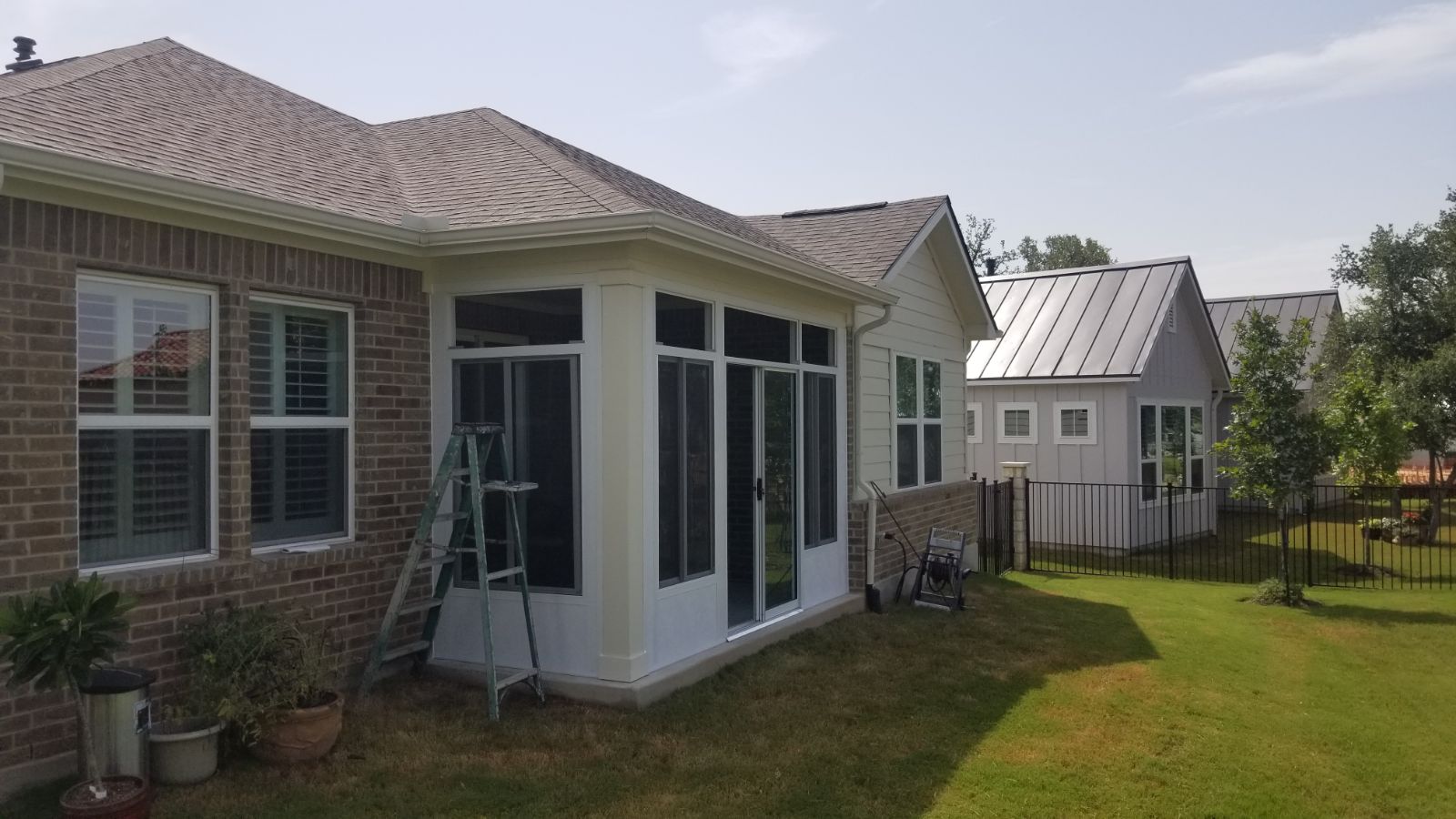
What's Possible: Design Elements That Define Your Space
Three-Season Sunrooms: Extended Outdoor Living
Aluminum Frame Systems with Single-Pane Glass: These traditional sunroom designs extend comfortable living from early spring through late fall, typically March through November in Central Texas. Aluminum framing supports large glass panels that maximize views and light while providing weather protection. The spaces remain comfortable during mild winters and warm seasons but become too cold for regular use during deep winter and too hot during peak summer without supplemental climate control. The lifestyle benefit is cost-effective seasonal expansion—you gain months of additional usable space without the complexity and expense of full climate integration. Perfect for families wanting protected outdoor living during pleasant weather without investing in year-round capability.
Insulated Roofing with Ventilation: Solid insulated roofs with integrated fans and ventilation systems manage heat buildup during summer, making three-season sunrooms more comfortable during warm months. The roof blocks direct overhead sun that would otherwise create greenhouse effects, while strategic ventilation allows hot air to escape. These systems extend usability into early summer and late spring, bridging the gap between pure seasonal use and full climate control.
Four-Season Sunrooms: True Year-Round Living Space
Vinyl or Insulated Aluminum Frames with Double-Pane Glass: Four-season construction incorporates thermal breaks in framing systems and double or triple-pane insulated glass units that maintain interior temperature regardless of outdoor conditions. The space can be heated and cooled effectively, functioning as genuine interior square footage twelve months annually. The investment is substantially higher than three-season construction, but the return is proportional—you gain space that serves as primary living area rather than seasonal bonus. For homeowners wanting dining rooms, home offices, or master bedroom retreats that happen to have extraordinary natural light, four-season construction is essential.
HVAC Integration: Proper four-season sunrooms include climate control through existing home HVAC systems (requiring capacity evaluation and possible system upgrades) or dedicated mini-split systems that heat and cool the space independently. The temperature control transforms the sunroom from light-filled addition to functional living space where you work, dine, sleep, or entertain regardless of whether it’s 30 degrees or 95 degrees outside.
Glazing Options: Controlling Light and Heat
Low-E Glass Coatings: These invisible metallic coatings reflect infrared heat while allowing visible light transmission, keeping sunrooms cooler in summer and warmer in winter. The practical benefit is reduced energy consumption and improved comfort—you maintain spectacular views and abundant light while minimizing the thermal penalties that uncoated glass creates. For western or southern exposures in Texas, Low-E glass isn’t optional—it’s essential for maintaining reasonable comfort without running climate systems constantly.
Tinted or Bronze Glass: These options reduce glare and heat gain through light absorption rather than reflection. The trade-off is reduced interior brightness—tinted glass dims the space compared to clear glass. The choice depends on priorities: maximum light transmission versus heat and glare control. Most homeowners find Low-E coatings on clear glass provide better balance than tinted alternatives.
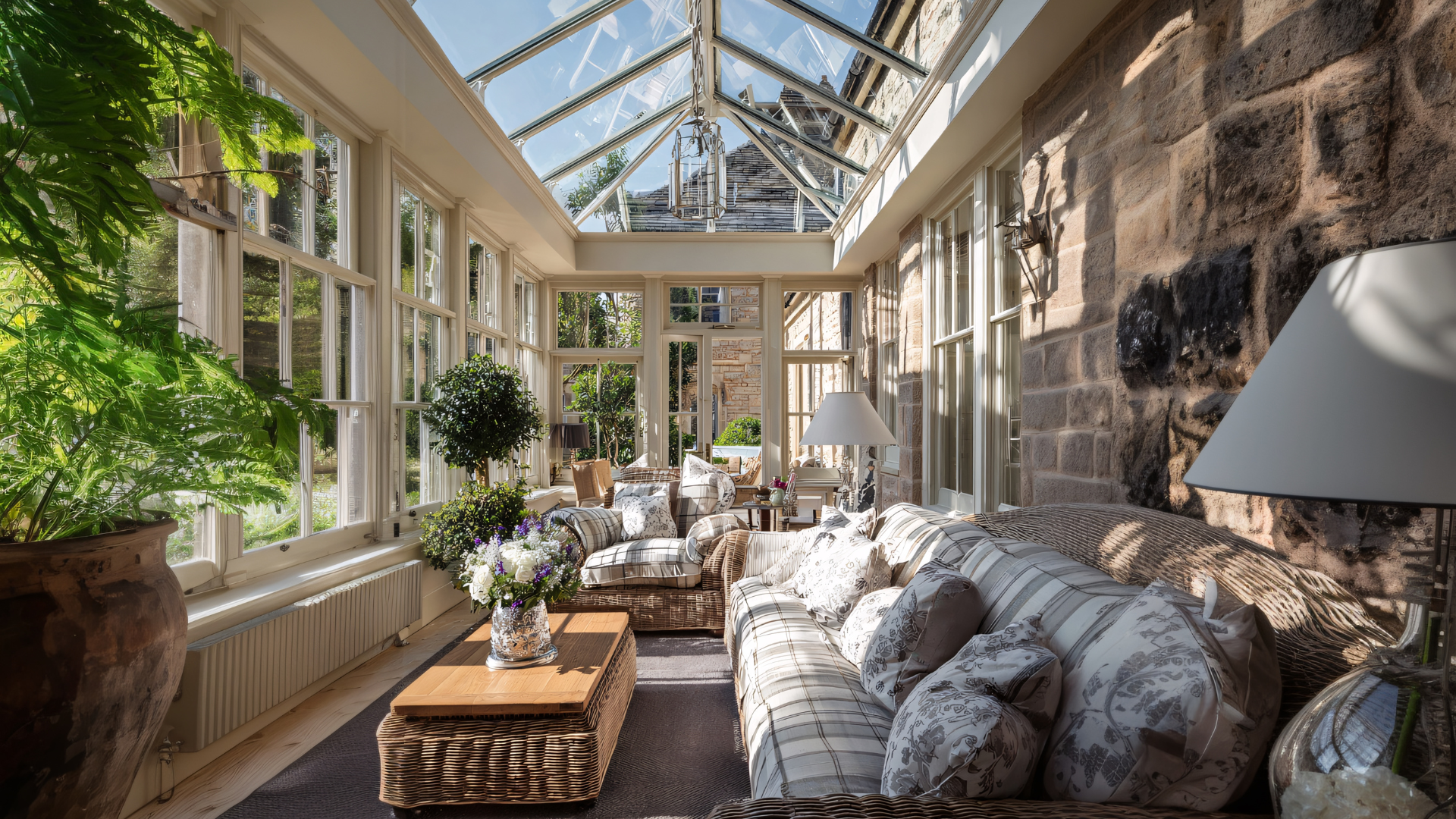
Overhead Skylights or Glass Roofs: Glass roof panels create cathedral effects and maximize light penetration but require careful engineering to manage heat gain and prevent winter heat loss. Insulated glass skylights with Low-E coatings and integral shading systems can work beautifully, creating dramatic overhead transparency while maintaining energy efficiency. The visual impact is extraordinary—lying on furniture and viewing stars through overhead glass creates experiences impossible in traditional rooms.
Flooring and Foundation Systems
Concrete Slab Foundations: Traditional sunroom construction utilizes poured concrete slabs that provide stable, level platforms for structure and furniture. These foundations integrate with existing home drainage and can incorporate radiant heating systems for exceptional winter comfort. Flooring options include tile, luxury vinyl plank, stained concrete, or even hardwood—anything suitable for traditional interior spaces works in properly constructed four-season sunrooms.
Elevated Deck Foundations: For homes with existing elevated decks, sunroom structures can be built atop deck platforms, converting open outdoor space to enclosed living area. This approach works particularly well for second-story applications where traditional foundation work would be prohibitively expensive. The elevated position often enhances views while the existing deck structure reduces foundation costs significantly.
Investment Ranges: Transparent Pricing for Informed Decisions
Understanding sunroom costs before committing to specific designs helps you make decisions aligned with your vision, needs, and financial reality. Here’s how sunroom projects typically break down in Central Texas:
Entry-Level Investment: $15,000–$35,000
This range typically covers:
- Three-season sunroom (120-200 square feet)
- Aluminum frame construction with single-pane glass
- Insulated roof panels with basic ventilation
- Concrete slab foundation
- Single entry door from home
- Basic electrical (lighting and outlets)
- Standard finishes and trim work
Best suited for: Homeowners wanting seasonal expansion on practical budgets, those converting existing covered patios to enclosed spaces, or anyone seeking protected outdoor living during mild weather months without year-round capability requirements.
Mid-Range Investment: $35,000–$70,000
This range typically includes:
- Three-season or basic four-season sunroom (200-350 square feet)
- Vinyl or insulated aluminum framing systems
- Double-pane glass with Low-E coatings
- Enhanced insulation and weather sealing
- Electrical and lighting integration
- Ceiling fans or ventilation systems
- Upgraded flooring (tile, luxury vinyl, or stained concrete)
- Multiple windows or doors for improved access and airflow
- Solutions for moderately complex site conditions
Best suited for: Homeowners investing in spaces usable most or all of the year, those wanting better temperature control and energy efficiency, or anyone seeking larger sunrooms with enhanced comfort features.
High-End Investment: $70,000–$150,000+
This range encompasses:
- Four-season sunroom with full climate control (350-600+ square feet)
- Premium vinyl or engineered aluminum systems
- Triple-pane glass with advanced Low-E and argon fill
- Complete HVAC integration or dedicated mini-split systems
- Cathedral ceilings with glass roof panels or skylights
- Hardwood or premium tile flooring
- Extensive electrical including recessed lighting and outlets throughout
- Multiple French doors or sliding glass systems
- Custom architectural details and high-end finishes
- Complex installations on challenging sites or multi-story applications
- Integration with existing home architecture and rooflines
Best suited for: Homeowners creating primary living spaces that happen to feature extraordinary natural light, those requiring true year-round functionality in all weather, or anyone building custom sunrooms with premium materials and architectural distinction.
Note: Final pricing depends on square footage, glazing selections, climate control requirements, foundation complexity, and finish quality. Four-season construction with full HVAC costs substantially more than three-season alternatives. Sites requiring extensive foundation work or complex home integration fall toward higher ranges. These prices reflect typical projects in Cedar Park, Leander and surrounding communities.
Design Considerations: Questions to Ask Before Building
Three-Season or Four-Season: Which Serves Your Needs?
This fundamental decision drives every subsequent choice and dramatically affects budget. If you primarily want extended spring and fall use with occasional mild winter days, three-season construction serves perfectly at lower cost. If you need space that functions as home office, primary dining room, or daily living area regardless of weather, four-season construction with climate control becomes essential. Honest assessment of intended use prevents over-investing in features you won’t utilize or under-building for needs that emerge after construction. Most homeowners underestimate how much they’ll use four-season spaces—genuine year-round functionality transforms sunrooms from occasional bonus areas to most-used rooms in the home.
How Does Orientation Affect Comfort and Energy?
Southern exposure maximizes winter solar heating but can create excessive summer heat. Eastern exposure provides beautiful morning light without afternoon overheating. Western exposure delivers gorgeous sunset views but punishing afternoon heat without proper glazing and shading. Northern exposure offers consistent, indirect light but minimal solar heat gain. No orientation is universally superior—each creates different opportunities and challenges. Understanding your site’s solar patterns and how they align with intended use helps select appropriate glazing, shading systems, and climate control approaches. Professional designers model solar exposure for your specific location and orientation, predicting seasonal temperature patterns before construction begins.
What's the Permitting and HOA Landscape?
Sunrooms are permanent structures requiring building permits in virtually all municipalities. Permit processes evaluate structural engineering, foundation design, electrical work, and code compliance. Some jurisdictions have setback requirements limiting how close structures can be to property lines. HOA communities may have architectural review processes with restrictions on materials, colors, or sizing. Understanding these requirements early prevents design revisions mid-project or worse—discovering post-construction that approvals weren’t properly obtained. Professional sunroom builders navigate permitting routinely, but homeowner awareness of timeline implications helps set realistic expectations.
Our Process: From Vision to Reality
Design: Understanding Needs and Site Conditions
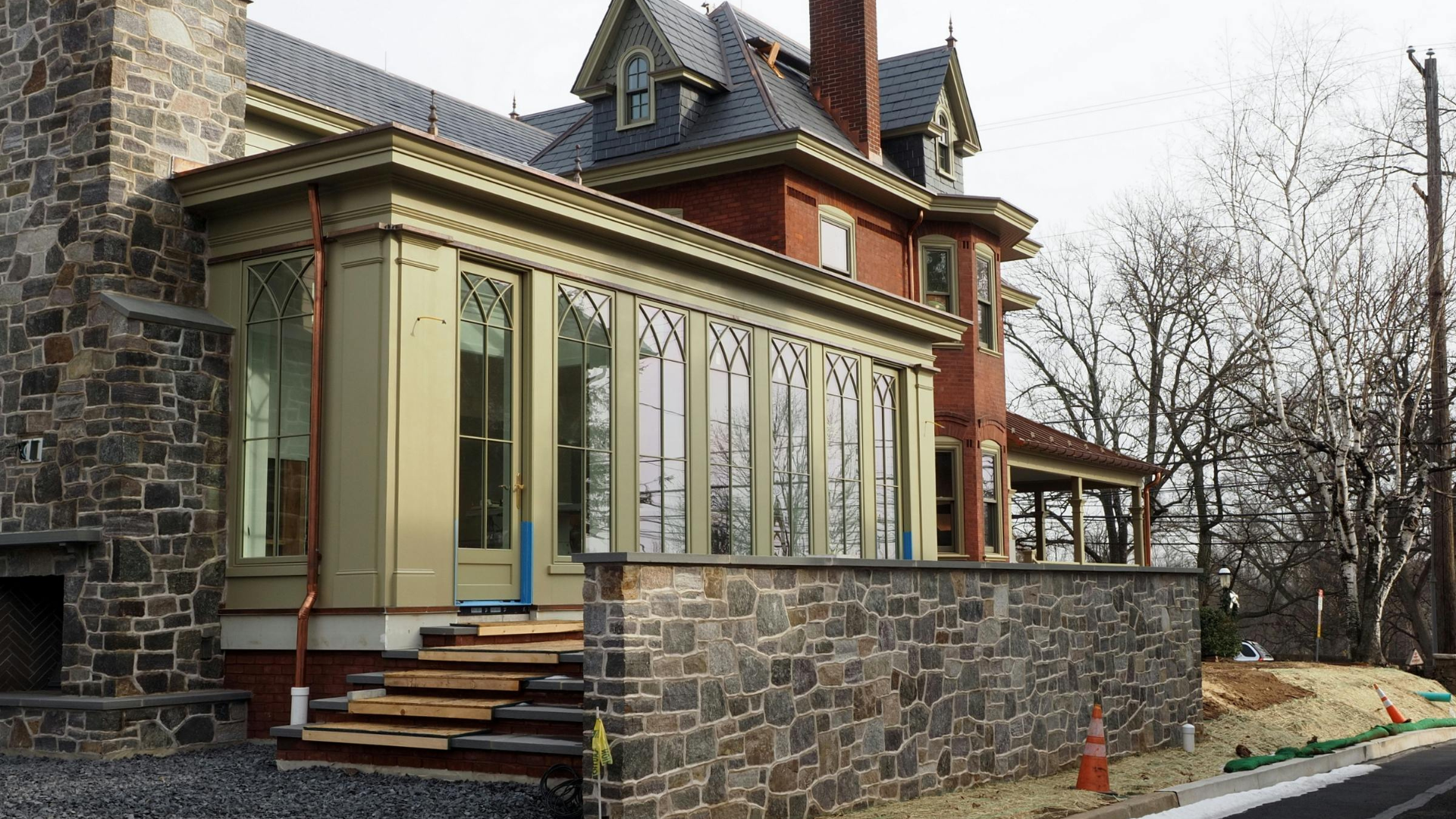
We begin with detailed discussion about how you’ll use the space—daily office work, seasonal dining, plant conservatory, or multipurpose family room. We evaluate your home’s architecture, foundation conditions, and optimal sunroom placement considering sun exposure, views, and access from existing rooms. We review three-season versus four-season construction, discussing cost-benefit implications for your specific needs. We provide detailed renderings showing how the sunroom integrates with your home, ensuring aesthetic and functional alignment before construction begins.
Construction: Professional Installation, Code Compliance
Once you approve the design, we handle permit submissions, foundation preparation, and coordinated construction. Our teams install engineered foundations, erect structural frames with precision, integrate glazing systems properly sealed against weather, and complete electrical and climate control installations. We coordinate inspections at required intervals, ensuring code compliance throughout the process. Most sunroom projects complete within 6-10 weeks from permit approval to final inspection, though larger or more complex installations may extend timelines.
Completion: Immediate Use, Lasting Enjoyment
The moment final inspection passes, your sunroom is ready for furnishing and use. That afternoon, you can move furniture in and begin experiencing what you’ve created. Within weeks, you’ll realize the sunroom has become your favorite space—where you drink morning coffee, where kids do homework in natural light, where dinner parties naturally migrate. Over seasons, the value compounds: every day spent in abundant natural light, every gathering enhanced by architectural character, every moment of outdoor connection maintained despite weather challenges.
Request Your Design Consultation
The difference between imagining a light-filled living space and actually inhabiting one every day begins with understanding what’s possible for your specific home and needs. Let’s discuss how you envision using a sunroom, evaluate your property’s opportunities, and determine whether three-season or four-season construction aligns with your lifestyle and budget. No pressure, no obligation—just honest expertise and transparent guidance to help you make the right decision.
Contact Capital Outdoor Spaces today to schedule your complimentary sunroom consultation.