Motorized Privacy Screens
Motorized privacy Screening Experts
Control Your Environment with a Touch
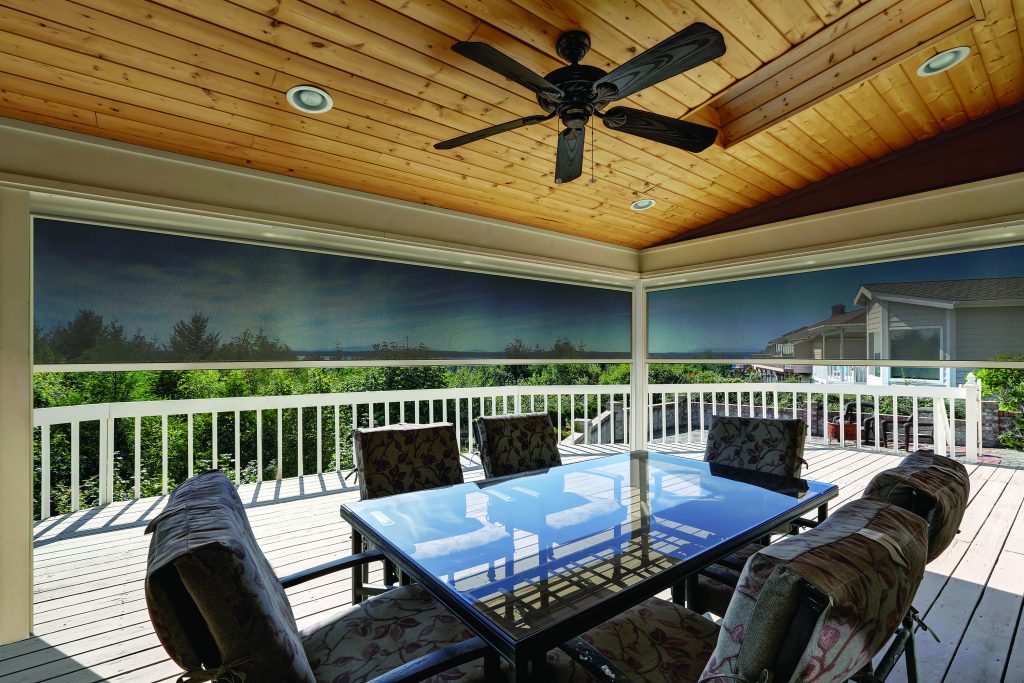
Imagine this: neighbors gather in their backyard just as you’re settling into yours for a quiet evening. One touch of a button, and sleek screens descend silently, creating instant privacy without sacrificing breeze or ambiance. Or picture harsh western sun flooding your patio at 3 PM, making the space unbearable. Another button press, and shade deploys precisely where needed while maintaining your view. This is outdoor living that adapts to your needs in real-time, responding instantly to changing conditions without manual effort or permanent compromise.
Motorized privacy screens represent the intersection of technology and outdoor comfort—retractable barriers that disappear when you don’t need them and deploy instantly when you do. No wrestling with cumbersome panels. No permanent structures blocking views. No choosing between privacy and openness. Just responsive control that puts you in command of sun, wind, privacy, and comfort with effortless precision.


Why Your Home Needs This
Privacy on Demand, Not Permanent Barriers
Fixed privacy solutions force compromises: you either have privacy all the time (with permanent walls or solid screens) or none of the time. Motorized screens eliminate this false choice. When you want seclusion for intimate gatherings or peaceful mornings, screens deploy in seconds, creating visual barriers that block sightlines without feeling enclosed. When privacy isn’t needed—when you’re away, when you want open views, when neighbors aren’t outside—screens retract completely, disappearing into compact housings and restoring your original openness. This flexibility transforms how you use outdoor space. You’re not adapting to fixed conditions; conditions adapt to your needs, moment by moment.
Block Sun and Heat Without Losing Airflow
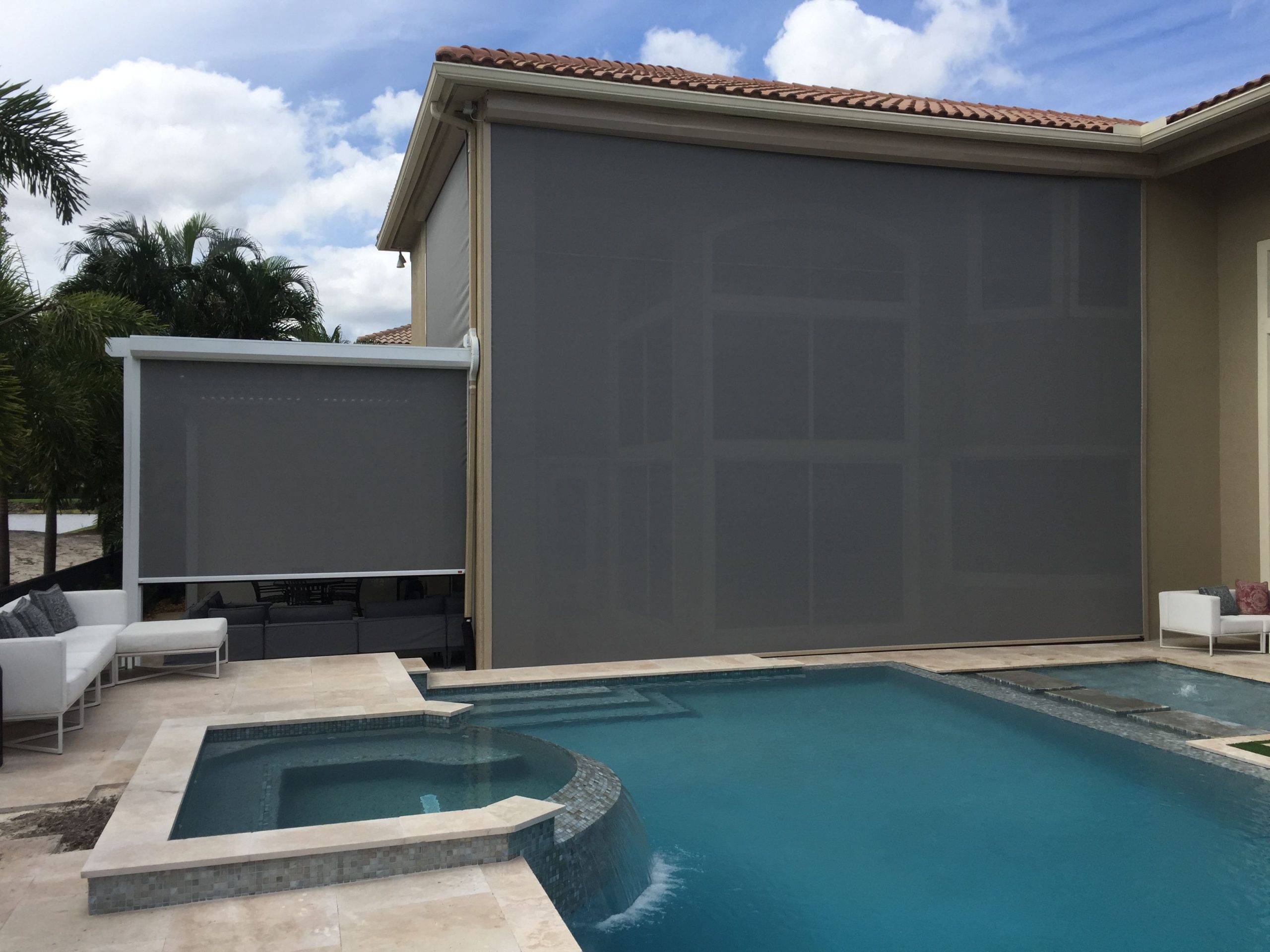
Texas afternoons make western-facing patios virtually unusable. Direct sun heats surfaces to uncomfortable temperatures, creates blinding glare, and bakes anyone attempting to sit outside. Traditional solutions—solid walls, heavy curtains, permanent structures—block sun but also eliminate the breezes that make outdoor living pleasant. Motorized solar screens solve this elegantly: specialized mesh fabrics block 80-95% of UV rays and heat while allowing air circulation. The space stays noticeably cooler without feeling closed-in. You can sit comfortably during peak heat hours, protecting skin from sun damage and furniture from UV degradation while enjoying natural ventilation. The screens work like polarized sunglasses for your patio—reducing harsh light and heat while maintaining visibility and breathability.
Expand Usable Hours Without Expanding Structure
Your covered patio probably becomes uncomfortable during specific daily windows—morning sun from the east, afternoon heat from the west, evening mosquitoes when you want to relax outside. Motorized screens extend usability during these challenging periods without permanent modifications. Deploy screens when conditions require protection, retract them when conditions are perfect. The result is hundreds of additional comfortable outdoor hours annually—early morning use without squinting, afternoon lounging without baking, evening entertaining without chemical bug repellents. You’re not building another room or enclosing existing space; you’re making current space dramatically more versatile through responsive environmental control.
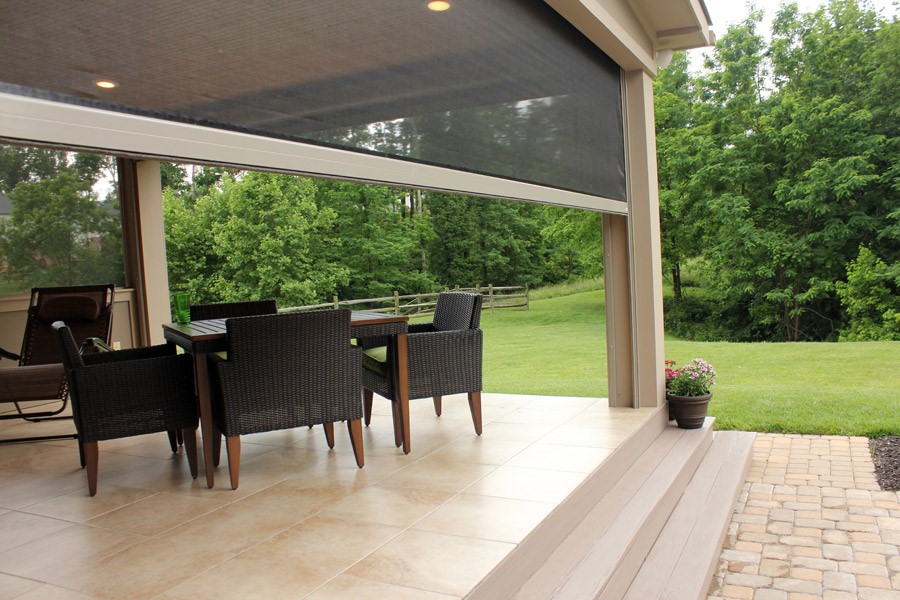
What's Possible: Design Elements That Define Your Space
Screen Fabric Options: Performance Meets Purpose
Solar Mesh (90-95% UV Block): These high-performance fabrics block nearly all ultraviolet radiation and solar heat while maintaining good outward visibility and excellent airflow. Colors typically range from neutral grays to bronze tones that reduce glare while preserving views. The lifestyle benefit is dramatic temperature reduction—spaces with deployed solar screens stay 15-20 degrees cooler than unprotected areas, transforming afternoon heat traps into comfortable zones. Perfect for western or southern exposures where sun intensity makes spaces unusable without protection.
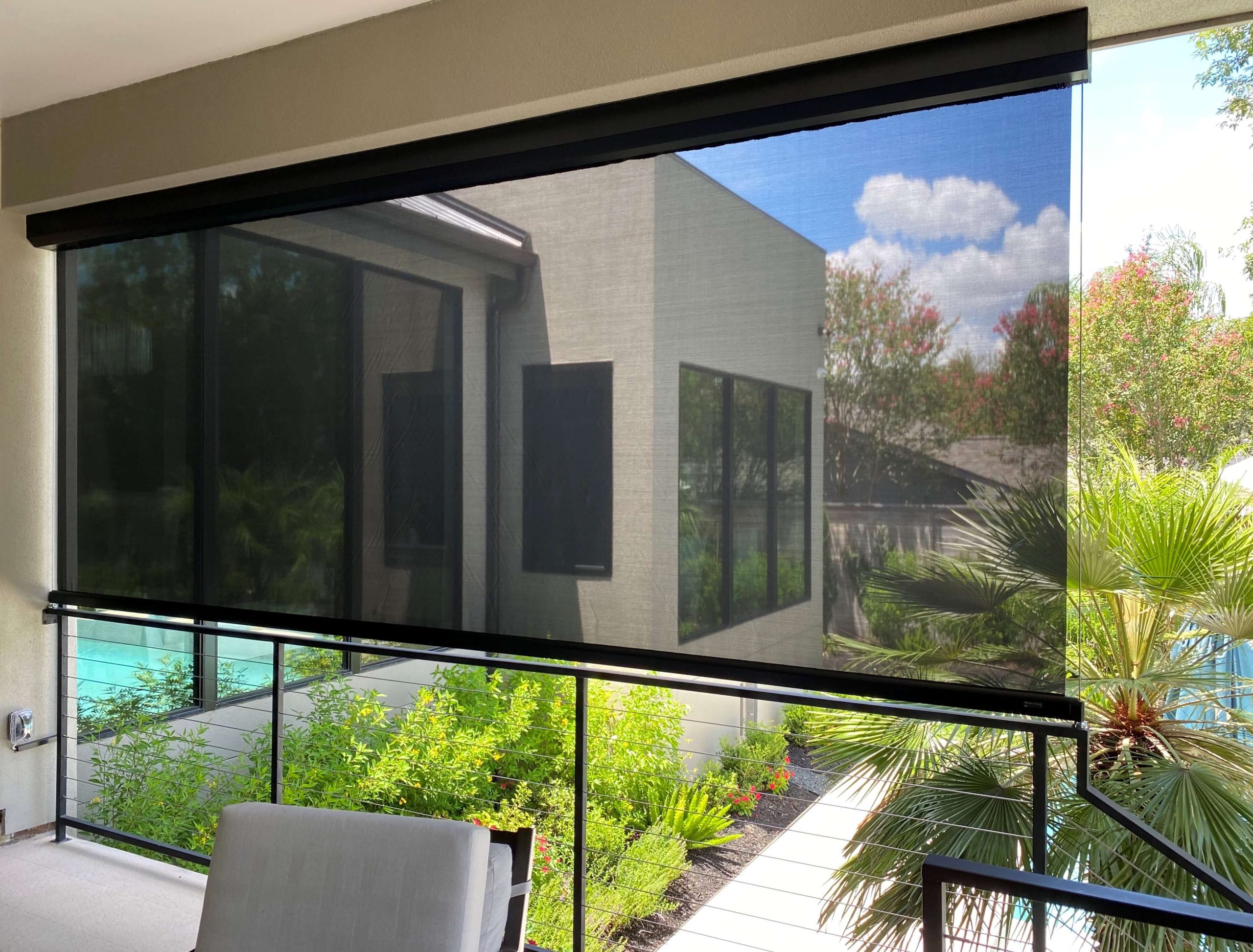
Privacy Mesh (Limited Visibility): These tighter-weave fabrics prioritize visual screening over transparency, creating one-way visibility that allows you to see out while preventing neighbors from seeing in. During daylight hours, the screens function like mirror sunglasses—you maintain clear outward views while exterior viewers see only reflective fabric. The practical advantage is genuine privacy for morning yoga, poolside relaxation, or intimate gatherings without feeling enclosed by solid barriers. Airflow remains good, maintaining outdoor character while adding seclusion.
Insect Screening: Standard fiberglass or fine-mesh screens keep mosquitoes, flies, and other insects outside while maximizing ventilation and visibility. Combined with motorization, these screens offer convenience traditional screen systems cannot match—deploy them with sunset when insects emerge, retract them during bug-free daylight hours. For patios near standing water or heavily wooded areas where insects are persistent, motorized insect screens provide protection without the visual weight of permanent screen rooms.
Motorization Systems: Control Options
Hardwired Remote Control: Radio-frequency remotes operate screens from anywhere on your property, offering convenient one-touch deployment and retraction. Multiple screens can be grouped to operate simultaneously, creating coordinated control across your entire patio or outdoor room. The simplicity is compelling—press a button, screens respond instantly and quietly, stopping precisely where programmed. No smartphone required, no app updates, no connectivity issues—just reliable mechanical response.
Smart Home Integration: Modern systems integrate with home automation platforms (Control4, Savant, Crestron) and consumer smart systems (Amazon Alexa, Google Home, Apple HomeKit). Voice commands deploy screens: “Alexa, lower the patio screens.” Automated schedules activate screens at predetermined times: deploy at 2 PM when afternoon sun arrives, retract at 7 PM when sun passes. Weather sensors detect high winds and automatically retract screens to prevent damage. For technology-oriented homeowners, smart integration creates hands-free environmental management.
Sun and Wind Sensors: Automated sensor systems monitor environmental conditions and adjust screens accordingly without manual intervention. Sun sensors detect intense UV levels and deploy screens automatically, protecting furniture and providing shade even when you’re not home. Wind sensors retract screens when gusts exceed safe thresholds, preventing damage during sudden storms. This autonomous operation means your screens always respond appropriately to conditions, maximizing protection while minimizing wear.
Installation Locations: Versatile Applications
Patio and Porch Openings: The most common application involves installing screens across open sides of covered patios, transforming partially protected spaces into fully enclosed outdoor rooms on demand. Screens mount to overhead structures (patio covers, pergolas) and deploy vertically, creating walls when needed. Multiple screens across different openings create complete enclosure or selective protection based on sun position or wind direction.
Between Pergola Posts: For pergolas with open sides, motorized screens install between structural posts, creating retractable walls that maintain architectural aesthetics when retracted. The screens integrate seamlessly with pergola design, appearing as subtle housing boxes when raised and providing clean vertical barriers when deployed. This application is particularly effective for creating dining areas that need occasional privacy or sun protection without permanent enclosure.
Window and Door Protection: Large windows or sliding glass doors that receive intense sun benefit from exterior motorized screens that block heat before it penetrates glass. Unlike interior window treatments that trap heat between fabric and glass, exterior screens prevent thermal buildup entirely, significantly reducing cooling loads for adjacent interior rooms. The screens also protect interior furnishings from UV damage while maintaining outward visibility.
Frame and Housing Finishes
Powder-Coated Aluminum: Screen housings and guide tracks finished in powder-coated aluminum resist corrosion, maintain color integrity, and complement outdoor structure aesthetics. Standard colors (white, bronze, black) coordinate with most architectural styles, or custom colors can match specific trim or accent details. The clean, contemporary appearance integrates with modern outdoor design trends.
Investment Ranges: Transparent Pricing for Informed Decisions
Understanding motorized screen costs before committing to specific systems helps you make decisions aligned with your budget and performance expectations. Here’s how motorized privacy screening projects typically break down in Central Texas:
Entry-Level Investment: $800–$1,500 per screen
This range typically covers:
- Single motorized screen unit (up to 10′ wide × 10′ tall)
- Standard solar or privacy mesh fabric
- Basic RF remote control operation
- Powder-coated aluminum housing and tracks
- Professional installation and programming
- Single-year warranty on motor components
Typical project costs:
- Single patio opening (12′ wide): $1,000–$1,800
- Three-sided patio enclosure (30′ total): $3,000–$5,400
- Pool area privacy (20′ section): $2,000–$3,600
Best suited for: Homeowners adding motorized screens to single openings, those seeking sun protection or privacy for specific problem areas, or anyone wanting entry-level automation at accessible pricing.
Mid-Range Investment: $1,500–$2,500 per screen
This range typically includes:
- Premium motorized screen systems (up to 14′ wide × 12′ tall)
- High-performance solar mesh or upgraded fabric options
- Smart home integration capability
- Enhanced motor systems with quieter operation
- Multi-screen synchronized control
- Extended warranties (3-5 years on motors)
- Professional programming and user training
- Solutions for challenging mounting conditions
Typical project costs:
- Single large opening (14′ wide): $1,800–$3,000
- Full patio enclosure with 4 screens: $7,000–$12,000
- Pergola integration with multiple sides: $9,000–$15,000
Best suited for: Homeowners investing in comprehensive outdoor room transformation, those wanting smart home integration and automation, or anyone requiring multiple screens with coordinated operation.
High-End Investment: $2,500–$4,000+ per screen
This range encompasses:
- Premium systems for extra-large openings (16’+ wide, 14’+ tall)
- Top-tier fabrics with maximum UV protection and longevity
- Complete smart home integration with voice control
- Automated sun and wind sensors
- Commercial-grade motors with extended life expectancy
- Lifetime warranties on frame components, extended motor coverage
- Custom fabric colors or specialty materials
- Complex installations requiring structural reinforcement
- Integration with existing home automation systems
Typical project costs:
- Oversized opening (18′ × 12′): $3,000–$5,000
- Complete outdoor living space automation (6+ screens): $18,000–$30,000+
- Commercial or high-end residential applications: $25,000–$50,000+
Best suited for: Luxury outdoor living environments requiring premium materials and features, commercial applications demanding reliability and longevity, or complex installations with custom requirements and full automation.
Note: Final pricing depends on screen dimensions, fabric selections, control system complexity, number of units, mounting challenges, and integration requirements. Screens exceeding 14′ width or 12′ height require specialized systems at premium pricing. Smart home integration adds $200-500 per screen depending on system compatibility. These prices reflect typical projects in Cedar Park, Leander and surrounding communities.
Design Considerations: Questions to Ask Before Installation
What Specific Problems Are You Solving?
Motorized screens serve different purposes depending on your primary concern. If blocking afternoon sun is paramount, solar mesh fabrics with high UV ratings become essential. If privacy from neighbors drives the decision, tighter-weave privacy mesh matters more than heat reduction. If insect control is the goal, fine mesh screening takes priority. Understanding your primary objective—and secondary benefits—helps select appropriate fabric and ensures screens actually solve your specific challenges rather than providing generic coverage.
How Will Screens Integrate with Existing Structures?
Motorized screens require mounting surfaces—overhead for screen housing, sides for guide tracks. Your patio cover, pergola, or building fascia must provide adequate structure for secure installation. Some situations require reinforcement or modified mounting solutions. Additionally, screens need proximity to electrical power for motors. Homes with existing outdoor electrical systems integrate easily; those without may need electrical runs that add cost. Professional site evaluation identifies these requirements early, preventing surprises during installation.
What Level of Automation Serves Your Lifestyle?
Basic remote control serves most homeowners perfectly—simple, reliable, intuitive. Smart home integration appeals to technology enthusiasts who want voice control and automated scheduling. Sensor-driven automation suits those wanting hands-free operation but adds complexity and cost. Honest assessment of how you’ll actually use the screens prevents over-investing in features you won’t utilize or under-investing in capabilities you’ll wish you had. Most homeowners find tremendous value in basic motorization alone; automation features enhance convenience for specific use patterns.
Our Process: From Vision to Reality
Design: Understanding Needs and Assessing Site
We begin by discussing your specific challenges—sun exposure timing, privacy concerns, wind issues, or insect problems. We evaluate your outdoor structure, identify mounting locations, and assess electrical access. We review fabric options with actual samples so you understand transparency, color, and UV blocking characteristics in realistic conditions. This consultation establishes appropriate system recommendations and realistic project scope.
Installation: Professional Mounting, Precise Programming
Once you approve the design, our installation teams mount housings securely to overhead structures, install guide tracks vertically along sides, and run electrical connections to motors. We program screens to proper deployment limits, ensuring they stop precisely where intended without gaps. We test all controls, train you on operation, and verify screens function smoothly and quietly. Most installations complete within one day per 2-3 screens, with minimal disruption to your space.
Enjoy: Immediate Control, Lasting Convenience
The moment installation finishes, you control your environment with unprecedented ease. That afternoon, when sun makes your patio uncomfortable, you deploy screens and stay outside. That evening, when neighbors gather, you create privacy without effort. Over months and years, the screens become intuitive extensions of how you use outdoor space—responsive tools that enhance comfort whenever conditions require adjustment.
Request Your Design Consultation
The difference between tolerating environmental challenges and controlling them with a button press is a conversation about what’s possible for your specific outdoor space. Let’s discuss the sun, wind, and privacy issues you currently face and determine whether motorized screens offer the transformation you need. No pressure, no obligation—just honest assessment and transparent guidance to help you make the right decision.
Contact Capital Outdoor Spaces today to schedule your complimentary site evaluation.