
Concrete Resurfacing
Concrete resurfacing Contractor
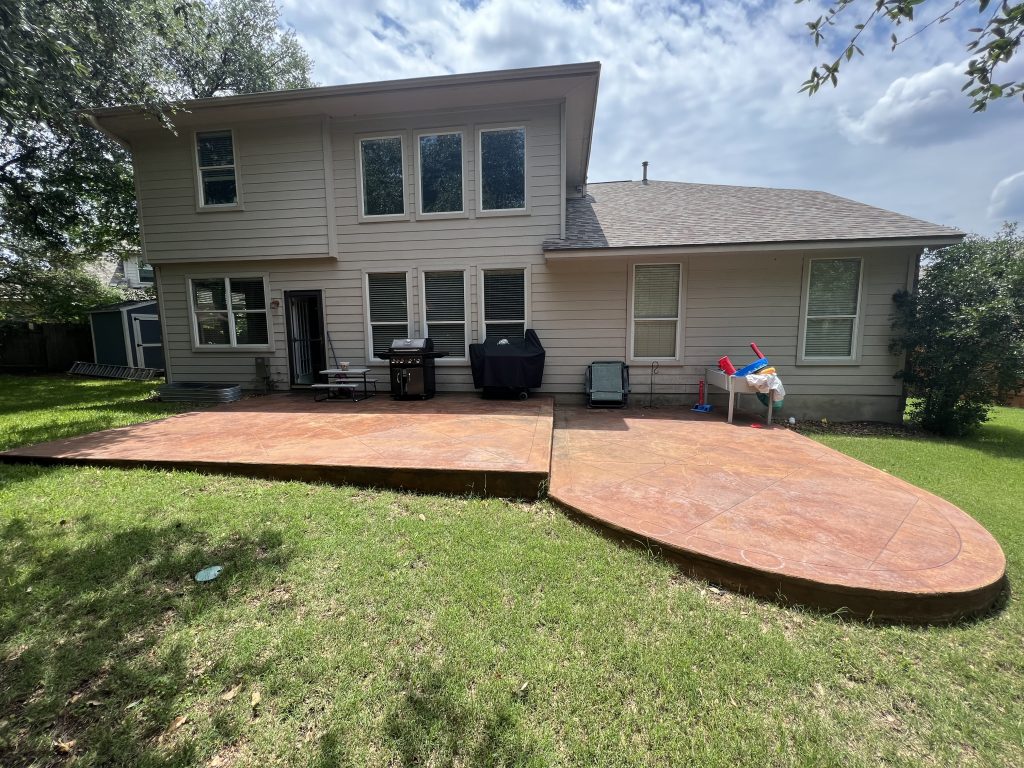
Expert Concrete Resurfacing Service
Imagine walking barefoot across your patio without catching your toe on a crack. Picture pulling into a driveway that looks like it was poured yesterday, not a decade ago. Envision hosting gatherings where guests compliment your outdoor surfaces instead of carefully navigating around damaged sections. This isn’t fantasy—it’s what happens when you stop tolerating deteriorating concrete and start reclaiming the beauty that’s been hiding beneath years of wear.
Concrete resurfacing doesn’t require jackhammers, dumpsters, or weeks of disruption. It’s transformation without demolition. A fresh surface applied over existing concrete that’s structurally sound, creating a flawless finish in a fraction of the time and cost of replacement. The result? Surfaces that look custom-designed, feel smooth underfoot, and restore your outdoor spaces to the condition they deserve.



Why Your Home Needs This
Revive What You Already Own
That cracked, stained patio or discolored driveway isn’t failing structurally—it’s failing aesthetically. The concrete underneath remains solid; it’s just the surface that’s showing age. Resurfacing addresses exactly this scenario, applying a new, durable layer over existing concrete to create a fresh finish without touching the stable foundation below. The lifestyle benefit is immediate and profound: your outdoor spaces go from embarrassing to impressive in days rather than weeks. No excavation equipment tearing up your yard. No massive dumpsters occupying your driveway. No neighbors wondering what disaster befell your property. Just clean, efficient transformation that respects both your time and your budget.
Solve Problems Before They Become Catastrophic
Surface cracks don’t stay surface-level forever. Texas weather cycles—freeze-thaw in winter, expansion in summer heat—turn minor imperfections into major structural failures over time. Water infiltrates hairline cracks, freezes, expands, and turns superficial damage into expensive replacement scenarios. Resurfacing creates a protective barrier that seals existing cracks and prevents water penetration, stopping deterioration before it reaches critical levels. This isn’t just cosmetic improvement—it’s preventative maintenance that extends the life of your concrete investment by years, sometimes decades. The cost of resurfacing today prevents the exponentially higher cost of complete replacement tomorrow.
Elevate Curb Appeal Without the Premium Price
First impressions happen at the driveway. Before guests reach your beautifully landscaped yard or tastefully painted front door, they cross concrete that’s either inviting or concerning. Stained, cracked, or discolored concrete signals neglect, even when everything else about your property is immaculate. Resurfaced concrete changes this equation instantly. Suddenly, your driveway becomes an asset rather than a liability, a cohesive element that complements rather than detracts from your home’s appearance. Real estate professionals consistently note that concrete condition disproportionately affects buyer perception—damaged surfaces suggest hidden problems while pristine concrete suggests meticulous care. For a fraction of replacement cost, resurfacing delivers the visual impact that influences how people perceive your entire property.
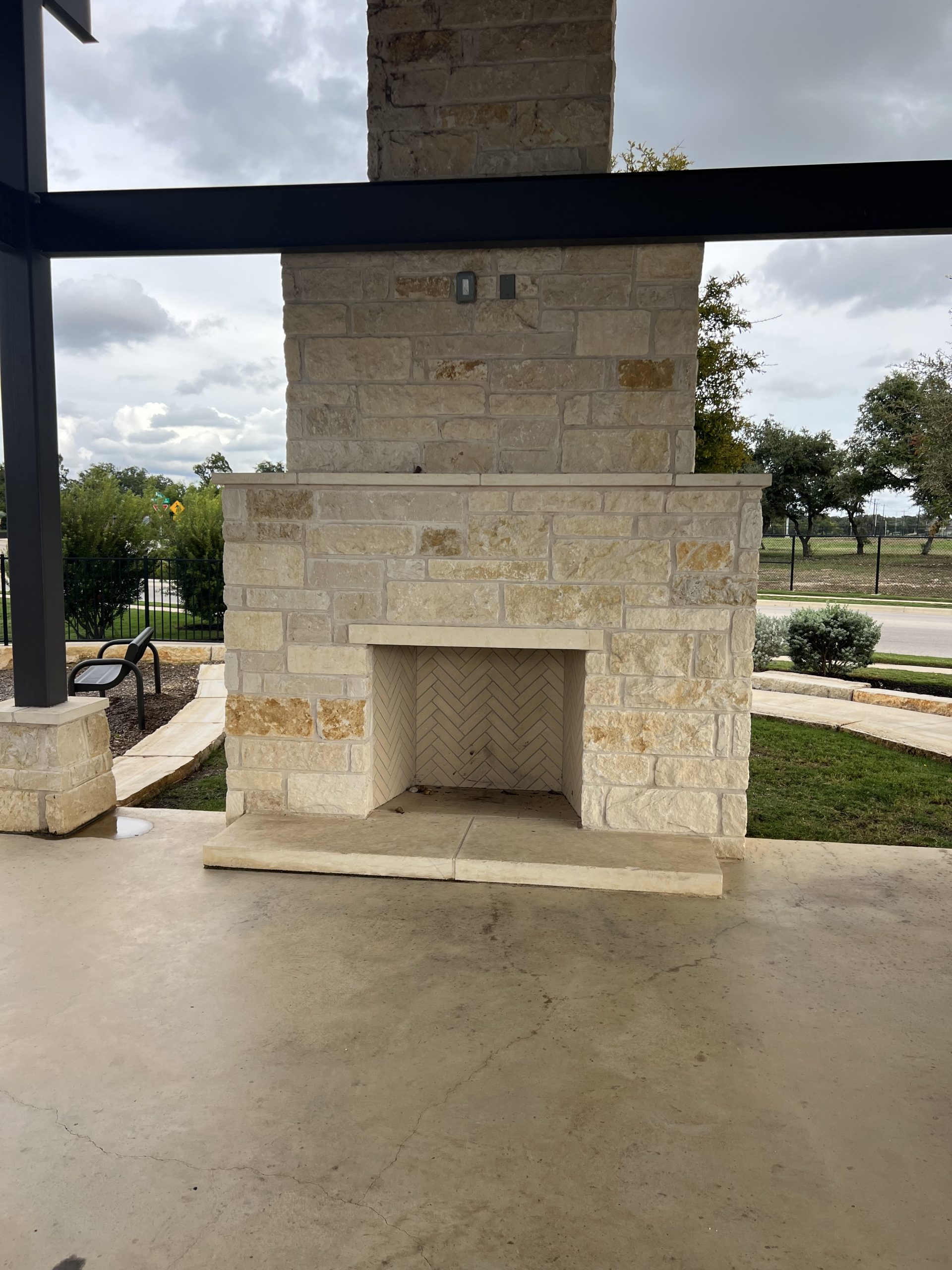
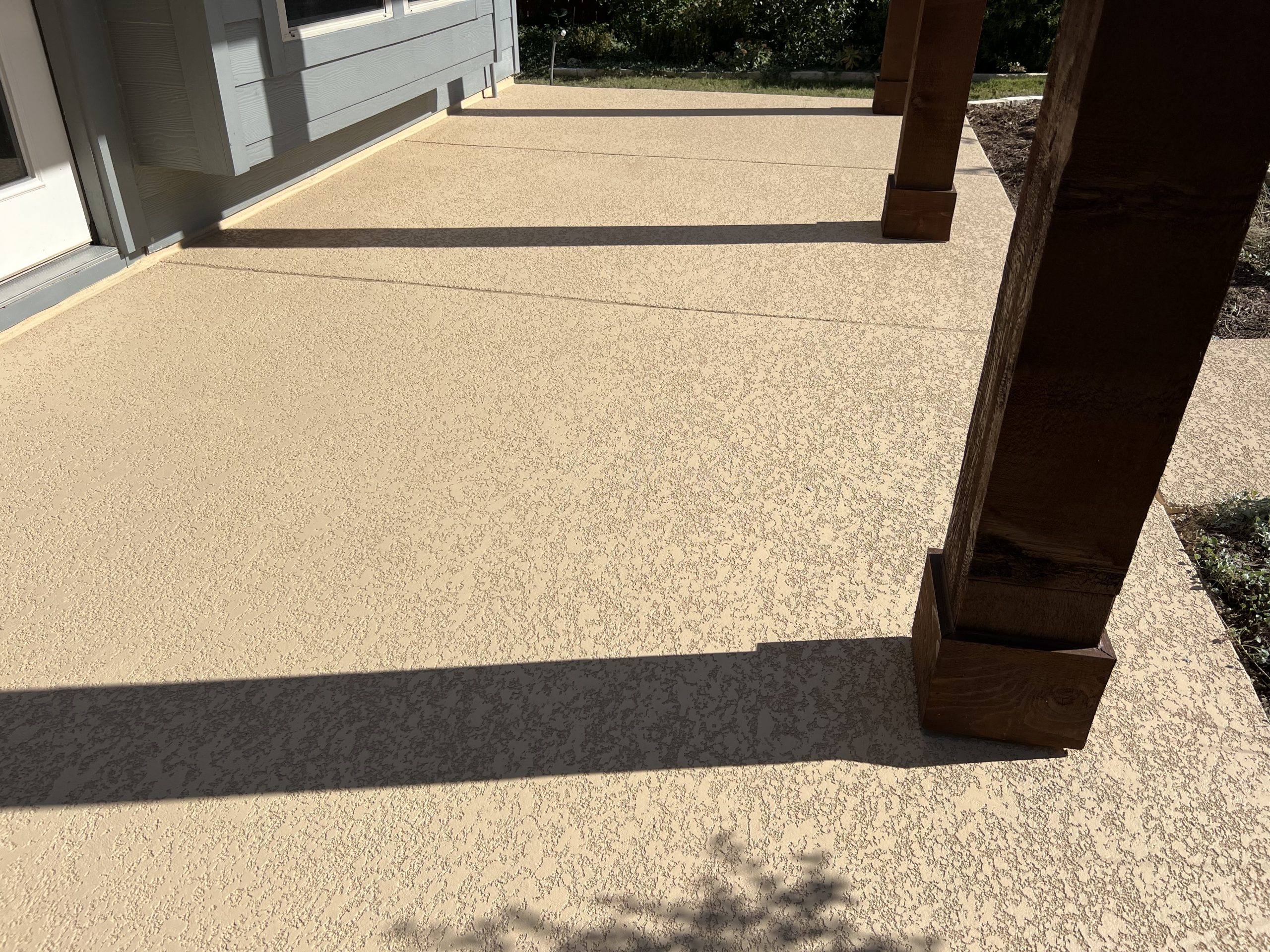
What's Possible: Design Elements That Define Your Space
Overlay Systems: The Foundation of Modern Resurfacing
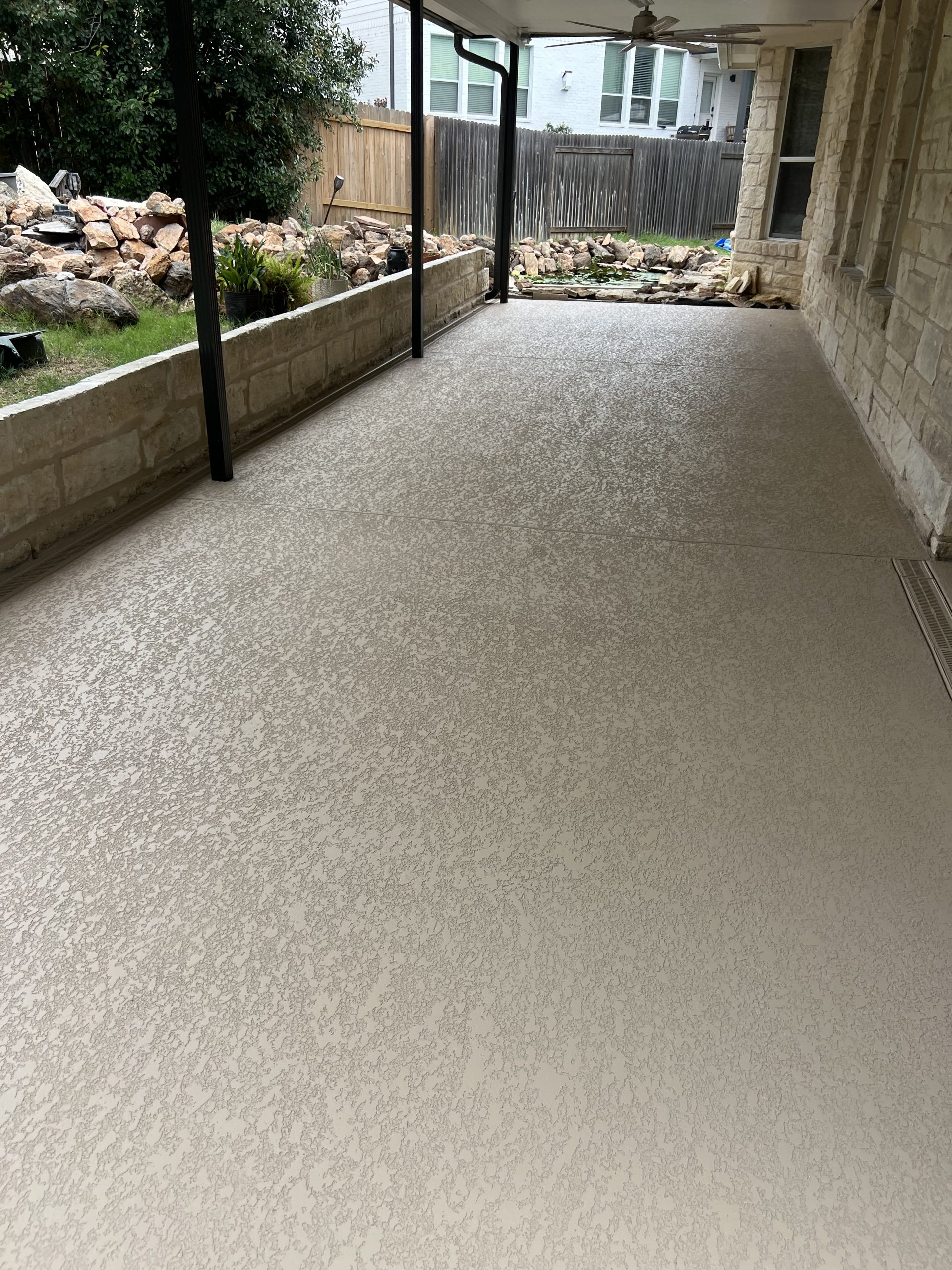
Micro-Topping Applications: These ultra-thin overlays (1/8 to 1/4 inch) bond directly to existing concrete, creating a smooth, seamless surface that accepts stains, dyes, and sealers beautifully. The lifestyle advantage is versatility—micro-toppings can be colored in virtually unlimited hues, creating uniform appearance or variegated patterns that mimic natural stone. The thin profile means minimal height change, preserving existing door clearances and avoiding awkward transitions to adjacent surfaces. For homeowners wanting dramatic visual transformation without structural modification, micro-toppings deliver custom aesthetics at practical pricing.
Stamped Concrete Overlays: These thicker applications (1/4 to 3/8 inch) can be textured and stamped to replicate slate, flagstone, brick, or tile—giving your concrete the appearance of premium materials at a fraction of their cost. The process involves applying a specialized overlay mixture, then impressing patterns and textures before it fully cures. The result is remarkably convincing: from ten feet away, quality stamped overlays are indistinguishable from the natural materials they mimic. For driveways, patios, or pool decks where you want elevated aesthetics without elevated budgets, stamped overlays bridge the gap between concrete utility and natural stone beauty.
Decorative Finishes: Color and Texture Options
Acid Staining: This chemical process creates rich, variegated earth tones that penetrate the concrete surface rather than sitting atop it. The result is permanent color that won’t chip, peel, or fade like paint-based products. Because acid stains react with minerals in the concrete, each installation develops unique, organic patterns—no two surfaces look identical. The aesthetic is sophisticated and natural, perfect for homeowners wanting character and depth rather than uniform appearance. Terra cottas, warm browns, sage greens, and charcoal grays create timeless palettes that complement Texas architecture beautifully.
Water-Based Stains and Dyes: For homeowners wanting more vibrant or precise color control, water-based products offer expanded palettes including blues, reds, and even metallic finishes. These penetrating stains create solid, consistent colors or can be layered and blended for custom effects. The application flexibility allows for logo integration, geometric patterns, or color blocking—making them ideal for commercial applications or homeowners wanting distinctive, contemporary aesthetics.
Aggregate Exposures: Seeded glass beads, decorative stones, or metallic flakes embedded in the overlay surface catch light and add visual texture. Pool decks benefit from slip-resistant aggregates that enhance safety while creating dynamic appearance. Driveways can incorporate reflective elements that improve nighttime visibility. The practical and aesthetic benefits combine, delivering surfaces that function better while looking more intentional.
Protective Sealers: Durability and Maintenance
Penetrating Sealers: These formulations soak into the concrete, providing protection from within without changing surface appearance or creating slippery finishes. They’re ideal for driveways and walkways where maintaining natural texture is important for traction. The invisible protection guards against oil stains, water damage, and UV degradation while allowing the concrete to breathe naturally.
Film-Forming Sealers: These create a protective layer on the surface, available in matte, satin, or high-gloss finishes. Glossy sealers enhance color depth and create that “wet look” popular for decorative applications. The trade-off is maintenance—high-gloss finishes show scuffs more readily and require periodic reapplication. For patios and pool decks where appearance is paramount and foot traffic is moderate, film-forming sealers deliver dramatic visual impact.
Investment Ranges: Transparent Pricing for Informed Decisions
Understanding resurfacing costs before committing to a specific finish helps you make decisions aligned with both your vision and financial reality. Here’s how concrete resurfacing projects typically break down in Central Texas:
Entry-Level Investment: $3–$6 per square foot
This range typically covers:
- Basic overlay application in single neutral color
- Light surface preparation and crack repair
- Standard broom or smooth finish texture
- Single coat of penetrating sealer
- Minimal decorative elements
Typical project costs:
- 300 sq ft patio: $900–$1,800
- 500 sq ft driveway: $1,500–$3,000
- 800 sq ft pool deck: $2,400–$4,800
Best suited for: Homeowners seeking functional surface renewal on practical budgets, those addressing safety concerns with cracked concrete, or anyone wanting clean, uniform appearance without decorative complexity.
Mid-Range Investment: $6–$12 per square foot
This range typically includes:
- Decorative overlay with custom color selection
- Acid staining or water-based dye application
- Basic stamped patterns or textured finishes
- Enhanced surface preparation and crack remediation
- Multiple sealer coats for extended durability
- Border treatments or accent colors
Typical project costs:
- 300 sq ft patio: $1,800–$3,600
- 500 sq ft driveway: $3,000–$6,000
- 800 sq ft pool deck: $4,800–$9,600
Best suited for: Homeowners investing in aesthetic transformation with color and pattern, those wanting surfaces that complement landscape design, or anyone seeking mid-level decorative impact with proven durability.
High-End Investment: $12–$20+ per square foot
This range encompasses:
- Premium stamped patterns replicating natural stone or tile
- Multiple color layering and custom staining techniques
- Extensive surface preparation including grinding and leveling
- Decorative saw cuts creating tile or plank patterns
- Embedded aggregates or metallic effects
- Premium sealer systems with enhanced UV and stain resistance
- Complex designs with borders, medallions, or custom graphics
Typical project costs:
- 300 sq ft patio: $3,600–$6,000+
- 500 sq ft driveway: $6,000–$10,000+
- 800 sq ft pool deck: $9,600–$16,000+
Best suited for: Homeowners creating custom outdoor environments with distinctive aesthetics, those wanting surfaces that rival natural stone or tile in appearance, or anyone requiring extensive surface remediation combined with premium finishes.
Note: Final pricing depends on existing concrete condition, surface preparation requirements, design complexity, accessibility, and specific finish selections. Projects requiring significant crack repair, leveling, or substrate stabilization may fall toward higher ranges. These prices reflect typical projects in the Austin metro area and surrounding communities.
Design Considerations: Questions to Ask Before Resurfacing
Is Your Existing Concrete Structurally Sound?
Resurfacing only works when the underlying concrete provides stable foundation. Surface cracks, minor spalling, and cosmetic damage are perfect candidates for resurfacing. However, severe structural issues—major heaving, deep cracks indicating foundation problems, or extensive deterioration—require different solutions. Professional assessment involves checking for substrate stability, adhesion potential, and whether the existing concrete can support an overlay system. If you notice significant settling, major cracks wider than a quarter-inch, or concrete that’s crumbling to powder, consultation with a structural specialist before considering resurfacing is essential. The good news: most concrete showing age-related surface wear remains perfectly suitable for resurfacing.
How Do You Balance Aesthetics with Function?
Decorative finishes look beautiful but must also serve practical needs. High-gloss sealers create stunning visual impact but can become slippery when wet—potentially problematic around pool decks. Dark colors absorb heat, making barefoot traffic uncomfortable on summer pool decks. Highly textured stamped patterns add visual interest but can make furniture placement and movement more challenging on patios. The best resurfacing projects balance aesthetic goals with functional requirements, considering how you actually use each surface. Driveways need durability and traction. Patios benefit from smooth finishes that don’t catch chair legs. Pool decks require slip-resistance regardless of finish. Professional designers help navigate these considerations during planning.
What's Your Maintenance Commitment?
Different finishes require different maintenance levels. Penetrating sealers need reapplication every 3-5 years but require minimal interim care. Film-forming glossy sealers may need annual reapplication in high-traffic areas and show scuffs more readily. Lighter colors conceal dirt less effectively than mid-tones. Heavily textured surfaces trap debris in crevices, requiring more thorough cleaning. Understanding maintenance expectations before selecting finishes prevents disappointment and ensures your resurfaced concrete continues looking excellent for years. If you want true install-and-forget performance, certain finish combinations serve better than others. If you enjoy periodic maintenance and appreciate evolving patina, different options become appropriate.
Our Process: From Vision to Reality
Assessment: Evaluating Condition and Potential
We begin with thorough surface inspection, testing for adhesion potential, identifying structural concerns, and determining necessary preparation work. We discuss your aesthetic preferences, functional requirements, and budget parameters. This information guides recommendations for overlay systems, finish options, and realistic timelines. We provide sample boards showing actual color and texture options so you can make informed decisions based on what finishes truly look like, not just descriptions.
Preparation: The Foundation of Lasting Results
Quality resurfacing begins with meticulous preparation. We clean surfaces thoroughly, removing oil stains, efflorescence, and contaminants that would prevent overlay adhesion. We repair cracks, grind high spots, and fill low areas to create optimal substrate conditions. We etch or profile the existing concrete to ensure mechanical bonding. This phase determines long-term success—shortcuts in preparation inevitably lead to premature failure. Our commitment to proper preparation means your resurfaced concrete performs as it should for years rather than failing prematurely.
Application: Precision Installation, Artistic Execution
We apply overlay systems according to manufacturer specifications and industry best practices, maintaining proper thickness, ensuring complete coverage, and achieving uniform appearance. For decorative finishes, skilled artisans create stamped patterns, apply stains with attention to color consistency, and execute saw cuts with precision. We apply sealers in controlled conditions to ensure proper curing and performance. Most resurfacing projects complete within 2-4 days, with full curing and readiness for traffic typically occurring within 3-5 days of final sealer application.
Enjoy: Immediate Transformation, Lasting Performance
The moment your resurfaced concrete cures, the transformation is complete. That afternoon, you’ll walk across smooth, beautiful surfaces that seemed impossible days before. Within weeks, you’ll realize how much more you use and enjoy outdoor spaces when they look intentional rather than neglected. With proper care, quality resurfacing delivers 10-15 years of excellent performance—protecting your investment while providing daily visual pleasure.
Request Your Design Consultation
The difference between tolerating damaged concrete and enjoying beautiful surfaces is a conversation about what’s actually possible for your property. Let’s evaluate your existing concrete, discuss your aesthetic vision, and determine whether resurfacing offers the transformation you’re seeking. No pressure, no obligation—just honest assessment and transparent guidance to help you make the right decision for your home.
Contact Capital Outdoor Spaces today to schedule your complimentary surface evaluation.