
Screen Room Builders
Screen Room Construction
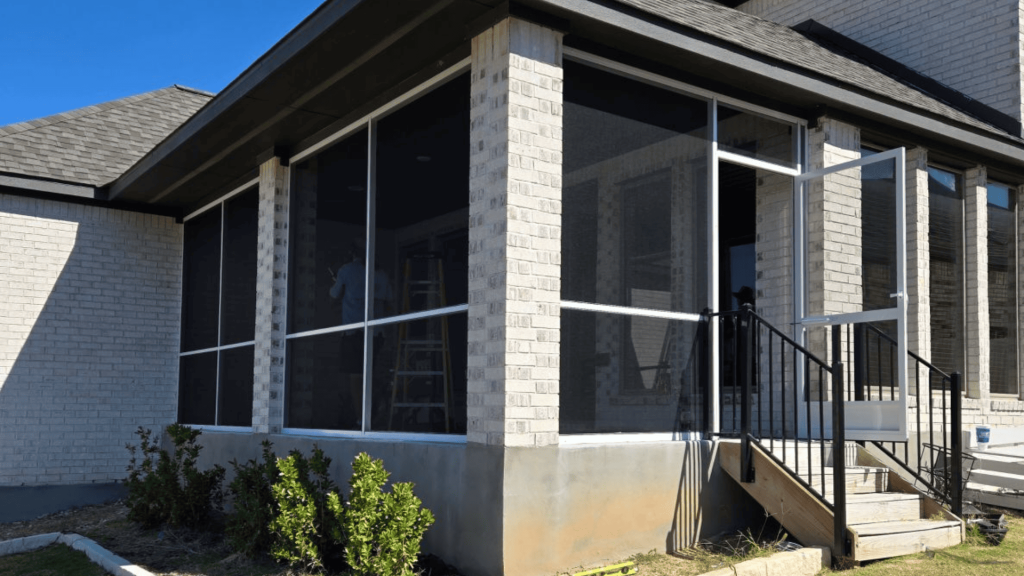
Screen Room Contractor
Imagine sitting on your patio on a perfect Texas evening, cool drink in hand, watching the sunset paint the sky—without swatting mosquitoes. Without shifting your chair to escape that single persistent wasp. Without rushing inside when the neighbor starts their lawn mower and fills the air with grass clippings. Just pure, uninterrupted enjoyment of fresh air and open space, protected from every annoyance that normally drives you back indoors.
A screen room doesn’t just keep bugs out—it reclaims hundreds of hours per year that you currently surrender to insects, pollen, and weather unpredictability. The gentle cross-breeze that flows through screening without bringing mosquitoes. The rainfall you can watch and hear without getting wet. The peaceful outdoor space where your kids can play while you read, all visible, all protected, all finally usable the way you’ve always wanted.
Screen Room Contractor
Imagine sitting on your patio on a perfect Texas evening, cool drink in hand, watching the sunset paint the sky—without swatting mosquitoes. Without shifting your chair to escape that single persistent wasp. Without rushing inside when the neighbor starts their lawn mower and fills the air with grass clippings. Just pure, uninterrupted enjoyment of fresh air and open space, protected from every annoyance that normally drives you back indoors.
A screen room doesn’t just keep bugs out—it reclaims hundreds of hours per year that you currently surrender to insects, pollen, and weather unpredictability. The gentle cross-breeze that flows through screening without bringing mosquitoes. The rainfall you can watch and hear without getting wet. The peaceful outdoor space where your kids can play while you read, all visible, all protected, all finally usable the way you’ve always wanted.




Why Your Home Needs This
Take Back Your Evenings from Insects
Texas summers mean two things: beautiful weather and relentless mosquitoes. Right now, your patio probably sits empty from dusk until bedtime because the moment the sun drops, insects emerge. You either retreat inside or coat yourself in repellent that leaves your skin sticky and your food tasting like chemicals. A screen room eliminates this forced choice completely. Suddenly, the coolest, most pleasant hours of the day—early morning and evening—become fully accessible. You’re outside for sunrise coffee without bug spray. You’re hosting dinner parties that extend past sunset without citronella candles and constant swatting. This isn’t incremental improvement; it’s reclaiming the best outdoor hours that insects currently steal from you.
Create Usable Space Without Climate Control Costs
Adding conditioned square footage to your home through traditional room additions costs $150-300 per square foot and increases your energy bills permanently. A screen room delivers additional living space for a fraction of that cost while consuming zero energy for heating or cooling. The airflow through screening creates natural ventilation that keeps the space comfortable without mechanical systems. You gain a genuine outdoor room—dining area, lounge space, or play zone—that expands your home’s functional footprint without expanding your utility bills. For families needing more space but unwilling to commit to the expense and permanence of full additions, screen rooms offer the perfect middle ground: substantial square footage, minimal investment, and operational costs that round to zero.
Protect Furniture and Extend Patio Life
Outdoor furniture deteriorates faster than it should because Texas weather is unforgiving. UV rays fade fabrics. Sudden storms soak cushions before you can move them. Pollen coats everything in yellow-green film that requires constant cleaning. A screen room changes this dynamic entirely. Your outdoor furniture lives in protected space where sun exposure is filtered, rain is blocked, and airborne debris stays outside. Cushions that would normally last three seasons remain vibrant for six or more. Wood furniture avoids the constant wet-dry cycles that cause warping and splitting. You stop performing the exhausting ritual of covering and uncovering furniture based on weather forecasts. The result is outdoor furnishings that look and perform like indoor furniture while remaining readily accessible for outdoor use.
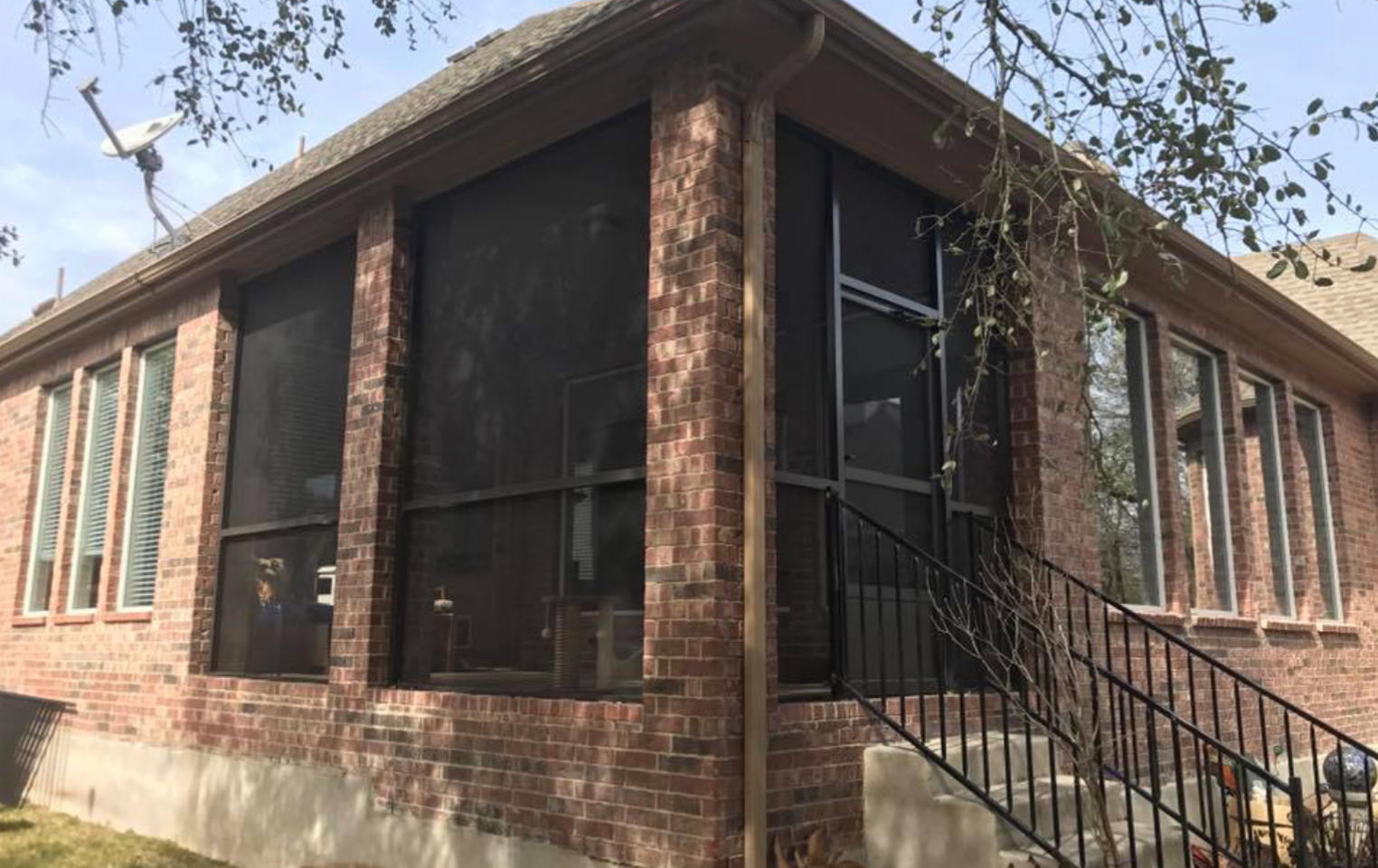
What's Possible: Design Elements That Define Your Space
Screening Systems: The Foundation of Protection
Traditional Fiberglass Screening: This standard material offers proven performance at accessible pricing. Modern fiberglass screens resist tearing, block insects effectively, and allow excellent airflow and visibility. The material is available in multiple colors—typically charcoal for minimal visual intrusion or lighter tones for brighter interiors. The lifestyle benefit is straightforward reliability: fiberglass screening performs its core function flawlessly while requiring minimal maintenance. For most homeowners seeking insect protection and weather filtering, standard fiberglass delivers everything needed without unnecessary cost.
Heavy-Duty Pet Screening: For homes with dogs or cats who might scratch or press against screens, reinforced pet screening provides seven times the tear resistance of standard fiberglass while maintaining similar visibility and airflow. The practical advantage is durability—you’re not replacing damaged panels every season because your dog wanted to see a squirrel. For families with pets, this upgrade pays for itself quickly through avoided repair costs.
Solar Screening: These specialized screens block 70-90% of UV rays while maintaining good visibility and airflow. They reduce heat gain inside your screen room, making afternoon use more comfortable during peak summer. The space stays noticeably cooler than open patios while remaining brighter and breezier than solid-roofed structures. For western or southern exposures that receive intense afternoon sun, solar screening transforms unusable heat traps into comfortable spaces.
Structural Approaches: Attached vs. Freestanding
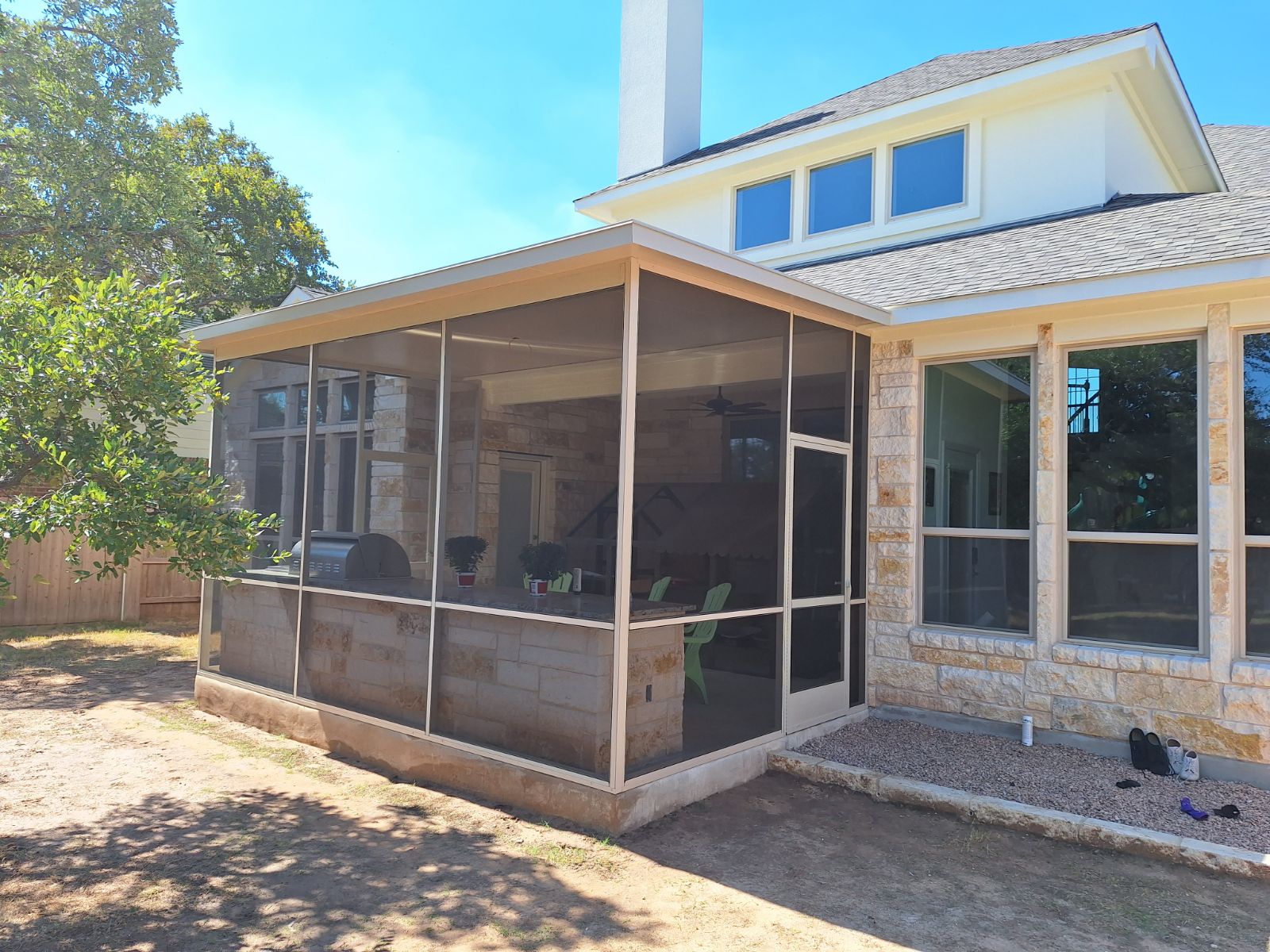
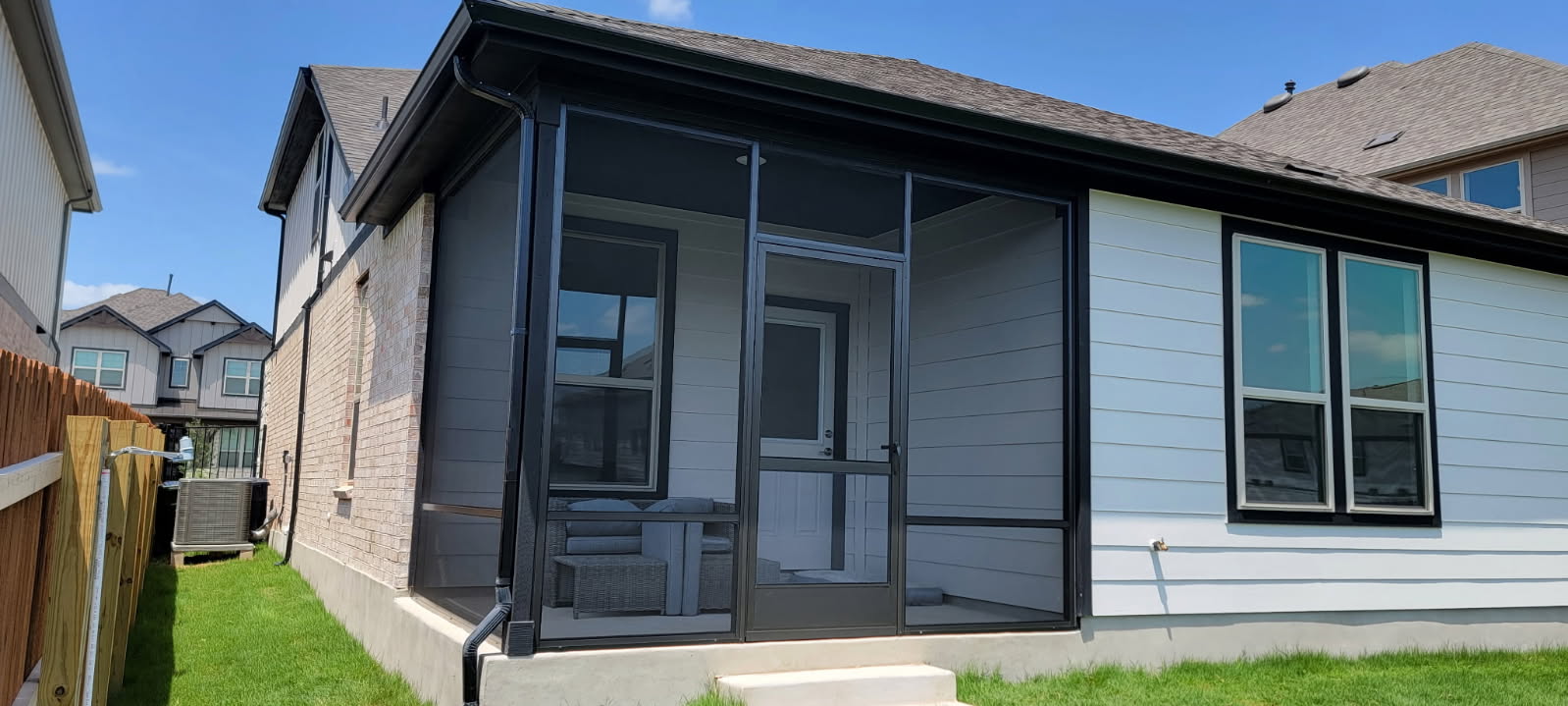
Attached Screen Rooms: These structures extend directly from your home, typically enclosing an existing patio or deck. The lifestyle advantage is seamless indoor-outdoor flow—you step through a door and you’re in screened space, then another door leads to open yard. Attached designs integrate with your home’s architecture and roofline, appearing as intentional extensions rather than afterthoughts. For homeowners wanting screen rooms that function as additional living rooms with direct house access, attached designs make the most sense.
Freestanding Screen Pavilions: These independent structures create destination spaces separate from the main house. Perfect for positioning near pools, overlooking gardens, or creating private retreats away from home noise. Freestanding designs offer flexibility in placement, allowing you to choose optimal locations for views, breezes, or privacy rather than being constrained by house attachment points. For larger properties or homeowners wanting distinct outdoor rooms rather than home extensions, freestanding pavilions create compelling standalone destinations.
Roof Systems: Weather Protection Options
Solid Roofing (Shingles, Metal, or Insulated Panels): Complete overhead coverage provides full weather protection, allowing screen room use during rain while keeping interior space dry. Solid roofs also reduce heat gain from direct overhead sun, keeping the space cooler during midday hours. The trade-off is reduced natural light compared to open structures. For homeowners wanting true all-weather outdoor rooms where rain doesn’t limit usability, solid roofs are essential.
Combination Systems (Solid Roof with Screen Gables): These designs incorporate solid roofing for rain protection while using screens in gable ends for enhanced airflow and brightness. You get weather protection where it matters most (overhead) while maintaining the airy, outdoor feel that screens provide. This hybrid approach balances protection with openness, creating spaces that feel enclosed enough for comfort but open enough to remain distinctly outdoor in character.
Enhanced Features: Doors, Windows, and Electrical
Screen Doors with Closers: Spring-loaded screen doors ensure proper closure even when kids dash in and out, maintaining insect protection without requiring conscious effort. Multiple entry points improve traffic flow for larger gatherings, preventing bottlenecks when guests move between screen room and open yard.
Removable Window Panels: Some systems incorporate clear acrylic or glass panels that install in screen openings during cooler months, converting your screen room into a three-season or even four-season space. This flexibility extends usability beyond insect season, allowing comfortable use during spring and fall when insects are less problematic but temperatures might benefit from wind protection.
Integrated Electrical Systems: Ceiling fans create airflow that enhances comfort during still summer evenings. Electrical outlets support lighting, outdoor speakers, or televisions for enhanced entertainment capability. When planned during construction rather than retrofitted, electrical integration appears seamless and functions reliably.
Investment Ranges: Transparent Pricing for Informed Decisions
Understanding screen room costs before finalizing your design helps you make choices aligned with both your vision and financial reality. Here’s how screen room projects typically break down in Central Texas:
Entry-Level Investment: $8,000–$15,000
This range typically covers:
- 150-250 square feet of enclosed space
- Standard aluminum frame construction
- Traditional fiberglass screening
- Solid roof system (shingle or metal)
- Concrete pad foundation (if needed)
- Single screen door entry
- Basic trim and finish work
Best suited for: Homeowners seeking functional insect protection on practical budgets, those enclosing existing covered patios, or anyone wanting basic screen room functionality without enhanced features.
Mid-Range Investment: $15,000–$30,000
This range typically includes:
- 250-400 square feet of enclosed space
- Premium aluminum or vinyl frame systems
- Heavy-duty or solar screening options
- Enhanced roof systems with insulation or architectural details
- Multiple door entries for improved traffic flow
- Electrical rough-in for fans and lighting
- Decorative columns and upgraded trim details
- Integration with existing patio covers or structures
- Solutions for challenging attachment points or custom dimensions
Best suited for: Homeowners investing in long-term outdoor living expansion with enhanced comfort features, those integrating screen rooms with larger outdoor living designs, or anyone wanting custom-sized spaces with architectural refinement.
High-End Investment: $30,000–$55,000+
This range encompasses:
- 400-600+ square feet of luxury enclosed space
- Custom-designed freestanding pavilions or complex attached structures
- Premium screening systems with removable winter panels
- Insulated roof systems with ceiling finishes
- Complete electrical integration including fans, lighting, outlets, and entertainment
- Stone or brick columns and high-end architectural details
- Tile or decorative flooring systems
- Integration with outdoor kitchens, fireplaces, or other amenities
- Complex engineering for challenging sites or multi-level designs
Best suited for: Homeowners creating comprehensive outdoor living environments where screen rooms anchor larger designs, those wanting true four-season capability, or anyone requiring custom architectural features and premium finishes.
Note: Final pricing depends on square footage, structural complexity, foundation requirements, screening selections, roof style, electrical integration, and finish materials. Projects enclosing existing structures generally cost less than freestanding new construction. These prices reflect typical projects in the Austin metro area and surrounding communities.
Design Considerations: Questions to Ask Before Building
How Will You Actually Use the Space?
Screen rooms serve different purposes for different families. Some homeowners want casual dining areas for everyday meals. Others envision entertainment spaces for hosting gatherings. Some need play areas where kids remain visible but protected. Your intended use should drive design decisions about size, entry locations, electrical needs, and integration with outdoor kitchens or seating areas. A screen room designed for quiet reading needs different dimensions and features than one planned for hosting dinner parties for twelve. Honest assessment of how you’ll actually use the space prevents investing in the wrong configuration.
What's Your Tolerance for Seasonal Limitations?
Standard screen rooms excel during insect season (roughly April through October in Central Texas) but offer limited value during cooler months when bugs aren’t problematic. If you only need insect protection during peak mosquito months, basic screening serves perfectly. However, if you want extended usability, consider features like removable panels that convert screens to windbreaks, or electrical integration that allows space heating for cool evenings. Understanding whether you want warm-weather insect protection or genuine multi-season outdoor living helps establish appropriate design parameters and budget expectations.
How Does the Screen Room Integrate with Existing Structures?
The best screen room designs complement your home’s architecture and existing outdoor features rather than appearing as obvious additions. Consider how the structure relates to your house’s roofline, siding materials, and trim details. Evaluate traffic patterns between house, screen room, pool, and open yard. Assess whether enclosing an existing patio makes sense or if new construction in a different location serves better. Professional designers evaluate these relationships during consultation, identifying opportunities to create seamless integration rather than awkward additions. Sometimes adjusting planned location or orientation by a few feet dramatically improves both function and appearance.
Our Process: From Vision to Reality
Design: Understanding Your Space and Needs
We begin by evaluating your property, existing structures, and how you envision using a screen room. We discuss insect challenges you currently face, entertaining patterns, and whether you want seasonal protection or extended usability. This information guides design recommendations for size, placement, screening types, and feature integration. We provide detailed drawings showing how the screen room relates to your home and yard, ensuring the design feels appropriate before construction begins.
Build: Quality Construction, Attention to Detail
Once you approve the design, we handle permit submissions and site preparation. Our crews construct foundations if needed, erect structural frames with precision, and install screening with proper tension and fastening. We ensure proper roof integration with weatherproofing and flashing where the structure attaches to your home. We coordinate electrical installations if included in your design. Most screen room projects complete within 2-3 weeks from groundbreaking to final inspection, though larger or more complex designs may extend timelines.
Enjoy: Immediate Protection, Lasting Comfort
The moment your screen room is complete, you can begin using it. That evening, you’ll sit outside during prime mosquito hours without a single bite. Within weeks, you’ll realize you’re using your outdoor space exponentially more than before—early mornings, late evenings, and all the hours that insects previously made miserable. Over seasons, the cumulative hours of comfortable outdoor living compound into thousands of moments you would have otherwise spent inside or battling bugs.
Request Your Design Consultation
The difference between tolerating insects and actually enjoying your outdoor space is a conversation about what’s possible for your property. Let’s discuss your current challenges with outdoor living, your vision for protected space, and the screen room design that aligns with both. No pressure, no cookie-cutter proposals—just expertise, transparency, and guidance to help you reclaim your outdoor space from bugs and weather.
Contact Capital Outdoor Spaces today to schedule your complimentary design consultation.